Visual examples of upcycling projects


Tin can upcycling crafts as an alternative to conventional recycling
When compared to mechanical recycling, upcycling highlights a distinct process: low barrier, flexible outcome, and individual control.
Tin can upcycling sits at the intersection of reuse, creativity, and resource efficiency.
A hands-on approach with visible impact and ongoing opportunities for creative development
Hands-on practice and project adaptability in tin can upcycling
Tin can upcycling develops practical skills, material awareness, and a bias toward direct experimentation.
The upcycling approach replaces mass sorting and processing with personal, material-driven
problem solving. Each project demands consideration of form, function, and available tools.
Practitioners discover patterns unique to upcycled containers, encouraging practical
innovation.
Comparing outcomes, mechanical recycling tends to standardize and anonymize materials.
Upcycling allows for a direct link between the original object and its new use, fostering a
connection to both process and result. The practitioner can immediately assess, iterate, and
improve their craft.
Practical constraints, such as household tool limits or workspace size, shape project scope
and challenge practitioners to develop efficient, creative solutions. This environment
promotes learning by doing and cultivates resourcefulness not present in centralized
recycling systems.
About Tin Can Upcycling Crafts
Tin can upcycling crafts start from a single decision: reuse everyday containers
instead of discarding them. Compared to direct recycling, upcycling maintains
material integrity while offering hands-on creative exploration and tangible
results.
Alternative options often focus on mechanical recycling or disposal. Upcycling
stands apart through simple tools, low entry cost, and visible transformation of
familiar materials.
Crafting versus Recycling
A technical contrast with mechanical recycling: tools, cost, and direct impact
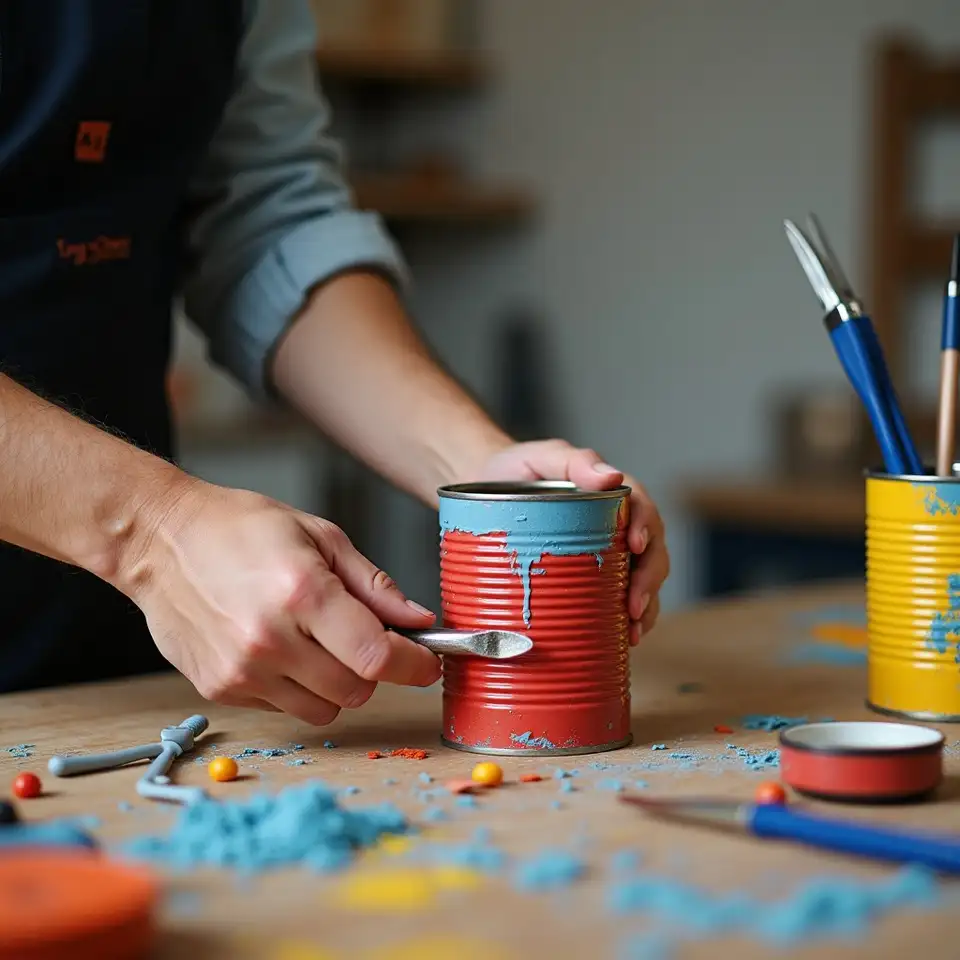
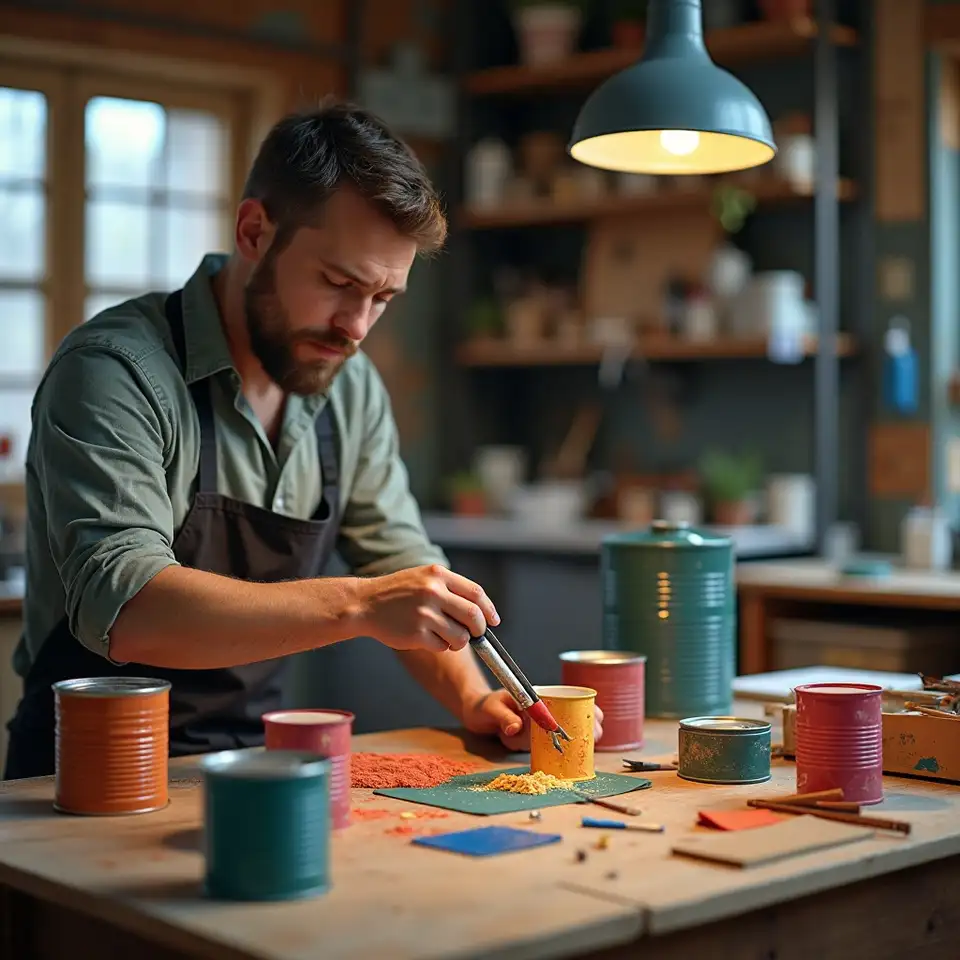
Tin can upcycling answers the challenge of resource waste with minimal intervention. Where mechanical recycling requires complex sorting and processing, upcycling preserves the original form and applies only hand tools, paints, and adhesives. This method is accessible to those with limited resources, using basic household items for projects that require no specialized training. Practitioners see immediate feedback and experiment freely, unlike processes constrained by strict protocols or facility requirements. The approach supports creativity and direct engagement, appealing to those interested in practical, material-first crafting.
Say hello
Application examples: upcycling tin cans into everyday and decorative objects
Practical outcomes and repeatable project types
Upcycling crafts with tin cans consistently demonstrate functional transformation with
accessible resources.
Examples include pencil holders, planters, lanterns, and desktop organizers. Each design leverages the can's structural strength and simple surface modifications. No advanced skills or materials are necessary, making upcycling a viable option for most households.
Participants compare outcomes against standard recycling by observing immediate
utility and decorative effect. Mechanical recycling processes yield raw material;
upcycling yields objects ready for use or display without extra steps.
For practitioners, the iterative process builds confidence in creative repair and reuse. Each new project reaffirms the value of resource conservation and practical craftsmanship.
Upcycling tin cans: technical benefits over mechanical recycling
Repurposing tin cans through upcycling offers a straightforward route to reducing household
waste. This process avoids complex recycling systems and encourages hands-on creation using
accessible materials. Each method offers unique benefits for different priorities.
Resource conservation focus
Upcycling tin cans keeps more of the original resource in use, reducing the energy
and infrastructure required by traditional recycling centers. The approach
emphasizes reusability and reduces dependency on municipal waste streams.
Low entry threshold
Basic tools and household materials enable participation without substantial
investment. Unlike specialized recycling equipment, a standard kitchen can opener
and adhesive are sufficient for most upcycling projects.
Tangible outcomes
Immediate visual transformation provides direct satisfaction for practitioners.
Mechanical recycling processes remain largely invisible, while upcycling projects
display outcomes immediately after assembly and decoration.
Adaptable to skill and material
Flexible project scope means that upcycling adapts to available materials and personal skill levels. This stands in contrast to fixed specifications required by recycling plants or regulated facilities.
Technical and practical values of tin can upcycling
Core values for upcycling practitioners: hands-on experimentation, resource awareness, and direct feedback
01
Why tin can upcycling appeals to practical makers
Practical upcycling of tin cans prioritizes direct engagement, requiring only
household tools and imagination. This approach supports material literacy and
encourages experimentation. Immediate results and visible progress make it suitable
for practitioners seeking hands-on activity without technical barriers.
Low barrier, high flexibility, material-first problem solving
Resource conservation and minimal intervention
Every upcycling project demonstrates material conservation, sidestepping high-energy
reprocessing cycles. Maintaining as much of the can's original structure as
possible extends its practical lifespan and utility.
Adaptability in approach and outcome
Flexible design options and project scales accommodate varying levels of experience
and available resources. Practitioners shape outcomes according to preference rather
than rigid external specifications.
04
Low entry requirements and accessibility
No advanced machinery or professional training is required, supporting immediate participation. A standard kitchen table, hand tools, and basic adhesives cover most use cases.
05
Immediate results and ongoing learning
Direct, visible transformation gives practitioners instant feedback and a sense of
progress, reinforcing further experimentation and development.